Plan for the overlap: Heat and wildfire smoke are not two separate checklists when they occur together. Closing windows may protect indoor air while increasing temperature; outdoor cooling and exercise may increase smoke exposure. The safe plan manages air quality, heat load and evacuation at the same time.
Summer emergencies are often imagined as a single dramatic event. In practice, risk builds quietly: a warm apartment, a smoky afternoon, a power interruption, a short-nosed dog that cannot cool efficiently, or an older cat hiding instead of drinking. The most protective work happens before the air smells smoky.
Who has less room for error
Older animals and pets with heart or lung disease face greater smoke risk. Brachycephalic dogs and cats, very young animals, overweight pets and those with mobility limitations can also struggle with heat. Birds are highly sensitive to airborne pollutants. A pet can look calm while compensating, so normal routine is not proof of safety.
Read conditions, not the sky
Use an official air-quality source and local heat alerts rather than judging by visibility or odor. Fine particles may be elevated before smoke looks dramatic. Track the indoor temperature too—especially in top-floor rooms, sun-facing spaces and homes where windows must stay closed. Write down in advance which room remains coolest and which has the best-filtered air.
Build a clean, cool room
- Choose a room with few exterior doors or windows and enough space for every animal.
- Use an appropriately sized portable air cleaner with a particle filter; avoid devices that intentionally generate ozone.
- Close windows during smoky periods, but monitor heat. Use safe air conditioning where available.
- Keep water, litter, medications, carriers and bedding in or near the room.
- Limit indoor particle sources such as smoking, candles, frying and vacuuming without effective filtration.
A fan moves air but does not remove smoke particles and may not prevent overheating in very hot conditions. If the room cannot remain both breathable and cool, relocation is part of the health plan—not a last-minute failure.
Change the outdoor routine
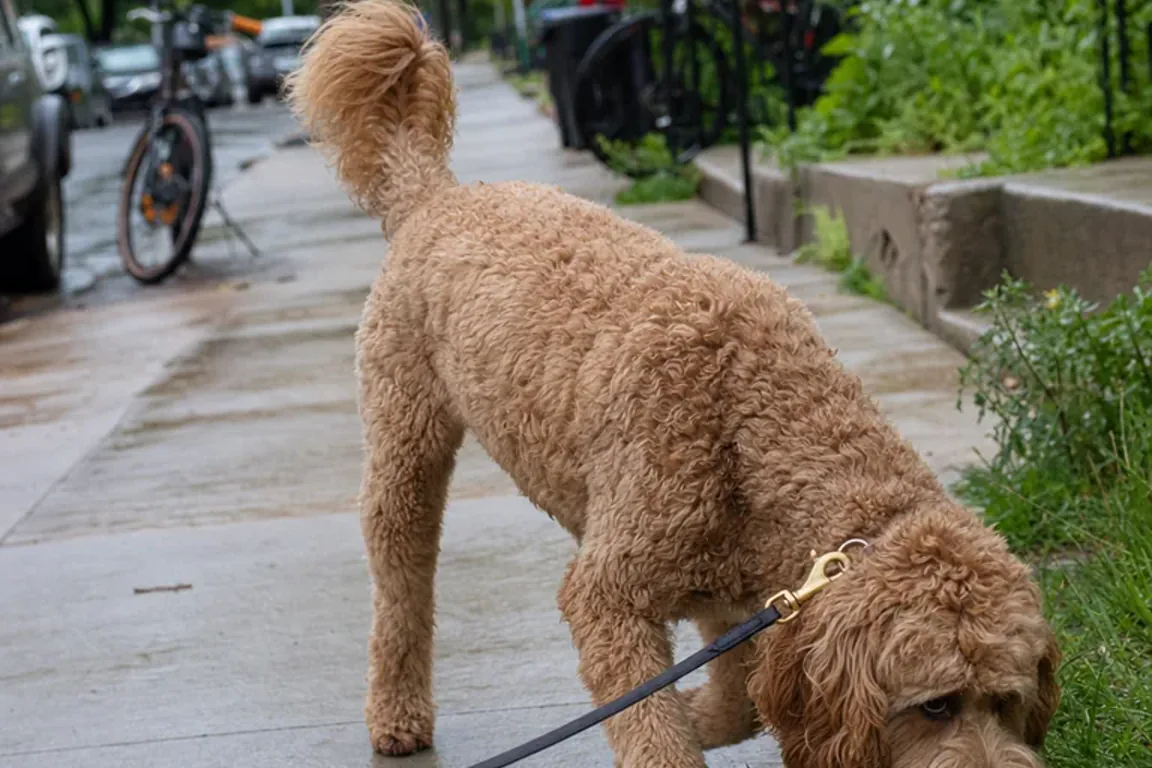
On smoky or very hot days, shorten outdoor trips to essential toileting, choose the coolest and cleanest available window, and replace strenuous activity with indoor sniffing, food puzzles and short training. Pavement temperature, humidity and the pet’s breathing effort matter. Do not put a human mask on an animal unless a veterinarian has provided a species-appropriate plan; poor fit and heat stress can make improvised solutions unsafe.
Know the urgent signs
Smoke-related concern can include coughing, gagging, watery or irritated eyes, nasal discharge, faster or difficult breathing, unusual fatigue, disorientation and reduced appetite or thirst. Heat illness can produce heavy or ineffective panting, drooling, weakness, vomiting, collapse, confusion or seizures. Breathing difficulty, blue or very pale gums, collapse, marked confusion and seizures are emergencies.
Move the animal away from exposure and contact a veterinary professional. Do not force water into a distressed pet or use ice-water immersion without veterinary direction. Cooling and transport should not delay emergency care.
The evacuation bag is a medical tool
- Carriers or secure leashes for every pet, labeled with two contacts.
- At least several days of food, water, medications and basic supplies.
- Medication list, diagnoses, veterinarian contact, vaccination and microchip records.
- A current photo of each pet and a photo with the owner.
- Disposable bowls, litter and waste bags.
- A written destination list that actually accepts the species and number of animals.
Practice loading carriers before an alert. Confirm that microchip registration is current. For temperature-sensitive medication, ask the clinic now about storage range and what to do after a power loss; guessing during evacuation can ruin an essential drug.
Decide when to leave before the decision is emotional
Set household triggers: an evacuation warning, loss of safe cooling, worsening indoor air, a blocked road, or a medically fragile animal showing early signs. Leaving earlier gives more destination choices and lowers the risk of handling a frightened pet in traffic. Never leave animals behind in an evacuated zone on the assumption that someone can return soon.
The best summer plan is not the most elaborate. It is the one that recognizes the conflict between clean air and cooling, names the vulnerable animal, keeps transport ready and defines an exit threshold. When heat and smoke overlap, clarity is a form of first aid.
kodisffkixviwuvutvzxluqrwnduhz
iidxszlhxfmukxlqokyxrujkoijuww