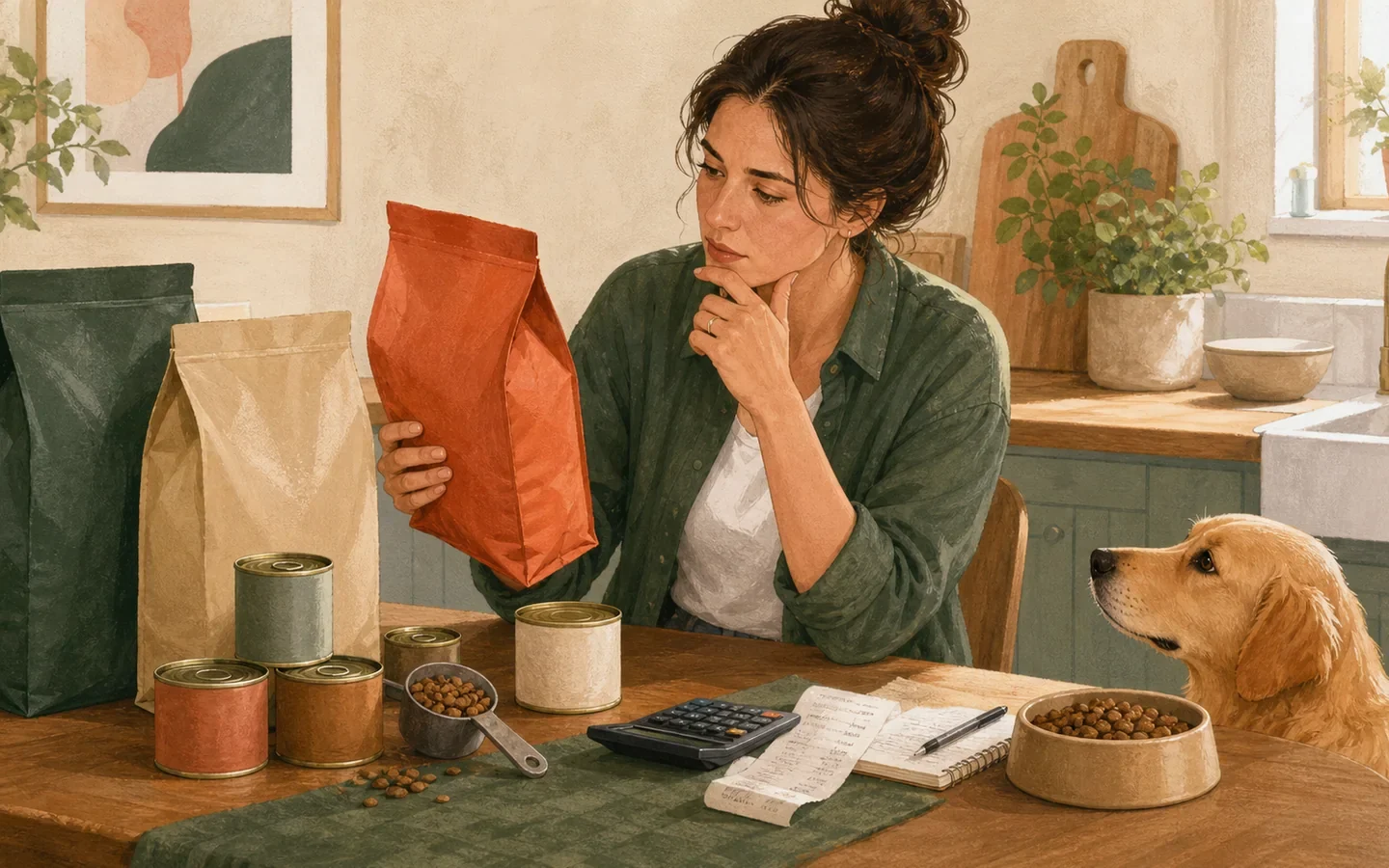
In 2023, I noticed something alarming at my local pet store. The 30-pound bag of premium dog food that had been $58 for three years was suddenly $74. I thought it was a mistake. The cashier just shook her head and said, “Everything went up. Again.” That wasn’t a mistake—it was the beginning of a sustained price surge that has reshaped the pet food industry and forced millions of owners to rethink how they feed their animals.
The Numbers Behind the Spike
According to the American Pet Products Association (APPA), average pet food prices increased by 23.4% between 2022 and 2025. Premium brands saw even sharper increases, with some lines rising by 35-40%. For a household spending $100 per month on pet food, that’s an additional $280-$480 per year—a meaningful hit for most families.
The Bureau of Labor Statistics data shows that pet food inflation has consistently outpaced general food inflation since 2021. While human food prices rose by 19% over the same period, pet food prices climbed 23.4%. The gap is narrowing, but pet food remains disproportionately expensive relative to other consumer goods.
Five Drivers of the Price Surge
1. Grain and Protein Cost Inflation
The war in Ukraine disrupted global grain supplies, sending corn and wheat prices to decade highs. Since corn is a primary ingredient in many pet foods, manufacturers faced ingredient costs 40-60% higher than pre-war levels. Soybean prices also spiked, affecting the cost of plant-based protein alternatives.
2. Meat Processing Costs
Meat by-products—the main protein source in most pet foods—are tied to human meat processing. As labor costs in slaughterhouses increased and processing capacity tightened during the pandemic, the cost of meat meals and rendered fats rose proportionally. A 2024 report from the USDA noted that rendered meat products used in pet food increased by 28% in price.
3. Packaging and Transportation
Pet food bags are heavy, bulky, and expensive to ship. Fuel costs for trucking increased by 45% between 2021 and 2023, and plastic packaging resin prices rose by 30%. For a manufacturer shipping 100,000 pounds of pet food, transportation costs per pallet increased by approximately $12—a cost that gets passed directly to consumers.
4. Supply Chain Fragility
Just-in-time manufacturing practices that worked in the 2010s collapsed during the pandemic. A single ingredient shortage—like the taurine crisis of 2022—could force reformulations that cost millions. Manufacturers began carrying larger inventory buffers, which increases working capital costs and gets reflected in pricing.
5. Premiumization and Marketing
There’s an undeniable premiumization trend in pet food. Human-grade ingredients, boutique brands, and novel protein sources (kangaroo, alligator, insect protein) command 3-5x the price of conventional kibble. While these products represent a small fraction of total volume, they pull the average price upward and set new consumer expectations.
What Owners Can Actually Do
First, don’t panic-switch to cheap, filler-heavy brands. The long-term health costs of poor nutrition almost always exceed the savings. Instead, consider buying in larger bags (the per-pound cost drops by 20-30%), using subscription services that offer 5-15% discounts, or rotating between a premium brand and a mid-tier brand with solid nutritional credentials.
Homemade fresh food is another option, but it’s not a money-saver. A well-balanced homemade diet typically costs 30-50% more than premium kibble. It is, however, an option for owners who prioritize nutrition over convenience and can absorb the additional cost.
Finally, monitor your pet’s body condition. Overfeeding is expensive and unhealthy. Adjust portions based on actual weight changes rather than package recommendations, which are often calibrated for active, unneutered animals.
Key Takeaways
- Pet food prices rose 23.4% between 2022-2025, outpacing general food inflation
- Grain costs, meat processing, transportation, and supply chain issues are the primary drivers
- Premiumization is accelerating the trend, not just reflecting costs
- Buying in bulk, using subscriptions, and portion control are the most effective cost-management strategies
- Don’t sacrifice nutrition for savings—veterinary costs from poor diet exceed food savings
A safer response to rising food costs
Compare price per 100 grams, calories per package and actual daily feeding cost; package price alone can hide smaller sizes or different energy density. Reduce storage and portion waste first. If switching is necessary, choose another complete-and-balanced food for the same life stage and transition gradually. Prescription diets and medically complex pets require veterinary guidance.
Sources
Build a repeatable cost comparison
Keep a simple purchase log with package weight, calories per unit, delivered price, the amount actually fed each day and food discarded. This separates a true price increase from a smaller package, higher calorie density or a feeding change. Review body weight and body-condition trend at the same time: reducing waste is useful, but underfeeding is not a savings strategy.
When two complete-and-balanced foods appear comparable, ask the manufacturer how calorie content and feeding guidance were determined and whether a veterinary nutrition professional formulates the diet. A stable, well-tolerated food with transparent quality control can be better value than a cheaper product that causes repeated transitions or unused leftovers.
Start the conversation
Share an experience or a useful question. Please keep medical emergencies for your veterinarian.