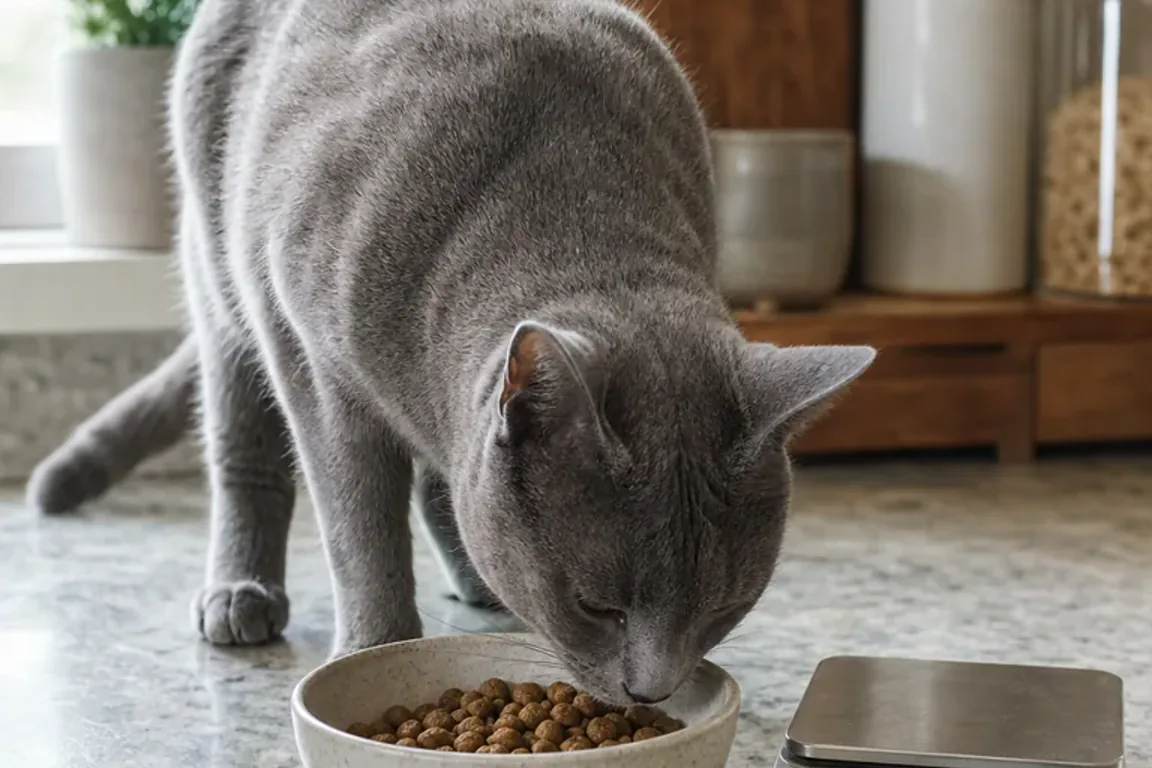
Core conclusion: Cats are unusually vulnerable to H5N1 compared with many companion animals, and recent investigations have linked feline illness to raw milk, raw poultry and commercial raw pet food. Cooking is a control step, not a nutritional ideology. Avoiding unpasteurized dairy and raw animal products removes a preventable route of exposure for the cat, the household and people who handle the food.
The raw-feeding debate is often framed as “natural versus processed.” H5N1 changes the question. A pathogen does not care whether a recipe is artisanal, frozen, locally sourced or sold in a premium package. If infected animal tissue or unpasteurized milk enters the bowl, the kitchen becomes part of an exposure chain.
What changed in the evidence
Public-health investigations have documented cats that became ill after access to commercial raw products, raw poultry or raw milk; some associated products tested positive for H5N1. This does not prove that every raw product contains virus. It establishes a credible, avoidable route and explains why agencies advise against feeding raw pet food or unpasteurized milk.
Freezing is not the same as a validated kill step. Appearance and smell cannot confirm that a product is free of influenza virus or harmful bacteria. “Human-grade,” organic and high-pressure processed are also not substitutes for knowing the exact process validation and the organism it was designed to control.
How exposure can reach an indoor cat
- Raw or undercooked poultry, meat or organs fed as meals, toppers or treats.
- Unpasteurized milk or dairy products.
- Contact with sick or dead birds, livestock environments or contaminated clothing and footwear.
- Shared preparation surfaces, utensils or bowls after handling raw animal products.
An indoor lifestyle lowers wildlife contact but does not cancel foodborne exposure. A cat does not need to hunt a wild bird if contaminated material is carried into the home.
Signs that require a veterinary call
Reported signs in cats can include fever, lethargy, poor appetite, eye or nasal discharge, breathing difficulty and neurologic abnormalities such as tremors, seizures, incoordination or unusual behavior. These signs are not specific to H5N1, so owners should not attempt a home diagnosis. Call before arriving, describe any raw-food, raw-milk, bird or farm exposure, and follow the clinic’s instructions for transport and isolation.
Breathing difficulty, collapse, seizures or rapidly worsening neurologic signs require urgent care. Avoid close face contact with a sick animal, wash hands after handling, and keep the cat away from other pets until professional guidance is available.
A safer feeding transition
Do not solve one hazard by creating another. A replacement diet still needs to be complete and balanced for the cat’s life stage and medical needs. If the cat eats a therapeutic diet, is very young, is pregnant or has gastrointestinal disease, ask the veterinarian before changing. A gradual transition may reduce digestive upset when the clinical situation allows it.
- Stop offering raw milk and raw animal products.
- Choose a commercially cooked complete-and-balanced diet, or use a recipe formulated by a qualified veterinary nutrition professional and cooked to the prescribed method.
- Discard or clean raw-food bowls, scoops, mats and storage surfaces according to public-health guidance.
- Keep purchase records and lot codes for any commercial diet.
The household side of One Health
One Health means animal, human and environmental health are connected. The practical version is simple: the person portioning raw poultry, the cat licking a contaminated surface and the family member cleaning the bowl share the same chain. Children, older adults, pregnant people and immunocompromised people can face higher consequences from several foodborne pathogens, even apart from influenza.
The goal is not to shame people who previously fed raw diets. Risk information evolves. A good decision updates when the pathway becomes clearer. For H5N1, removing raw milk and raw animal products is a high-value action because it is specific, feasible and does not require waiting for a cat to become ill.
nice